Software on floppies
Installing a program meant swapping disks, one after another, and waiting for each one.
Apps for iPhone
No ads. No subscriptions. Buy each app once, like software used to be.
About
DCA Software is a hobby project by an architect who loves code, design and solving problems. We use modern tools, and we miss how simple things used to be.
Every app starts with a real need from a real person.
Buy it once. It's yours.
AI only writes the code. No AI slop.
Built to be used, not to keep you scrolling. Clean screens, nothing you didn't ask for.
Privacy comes first in every app, as far as each app's nature allows. We aim to ask only for the permissions each app needs.
1998
Most apps today
DCA Software
How an app is made
Then vs now
Three eras, and what each one meant for the apps we use.
1990s
Installing a program meant swapping disks, one after another, and waiting for each one.
Getting online was slow, and so were most programs. A single web page could take a long time to appear.
Making software meant learning low-level languages from thick manuals. Very few people could build an app at all.
2000s
A phone that works as a computer, operated by touch. It made small, focused apps a practical idea.
You could design an app and reach people everywhere through one store, instead of a box on a shelf.
The App Store begins to support apps that charge a monthly subscription.
Now
AI helps write, explain and test code alongside one person. Work that once took a team can start with a small studio.
Apps can be built for one real need, for the person who will use them. No ads, no subscriptions.
Less time goes into typing code. More goes into testing with real people, until it feels right.
AI and code
AI is fast, and sometimes confidently wrong. We plan for both.
How we work
Most changes follow the same four steps. Some need more rounds.
What to build, what to cut, and when it is ready. AI can suggest. It does not decide.
It writes the code, proposes options and explains the trade-offs. Fast, useful, and not always right, which is why step 03 exists.
We run it on a real iPhone, use every screen and note anything that feels wrong. AI cannot judge that on its own.
No AI slop. No app ships until a person has used it for weeks and is satisfied with it.
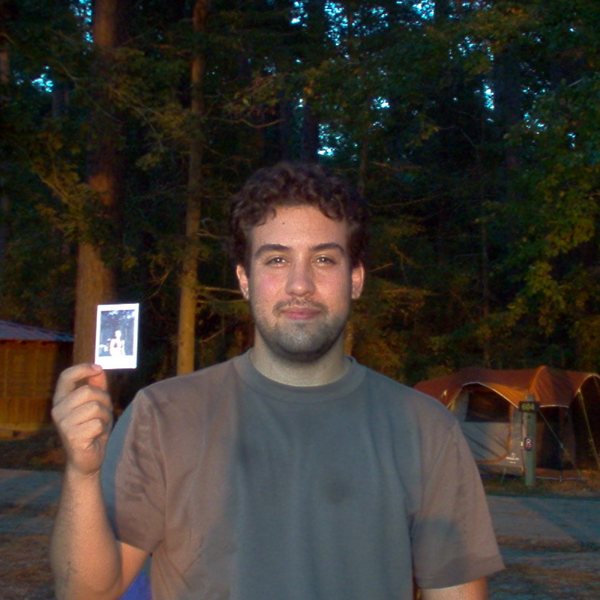
About me
If architecture was easy, it would be called vibe coding.
It started when my girlfriend told me about an app she used to use. It had been involved in a privacy scandal over how it handled its users' data. That got me thinking, and I wanted to make her a gift.
The first version had very simple code and a very simple interface. While working with AI, I realized I could take the app much further, and it would be easier for her to download it and keep it on her phone. That is how Menna - Cycle Tracker was born, the first app from DCA Software: a project built with passion, curiosity, and a strong wish to change the current status quo of apps in general.
I miss how simple software used to feel: you paid once, it did one thing well, and it left you alone. I'm trying to make apps like that again, with today's tools.
Apps
Each one started with a real need from a real user.
A paper calendar with circled days.
Log your period, flow, symptoms, mood and daily pill, and see patterns over time. It predicts your period and fertile window. Everything stays on your phone: Menna never uses the internet, has no account, and shows no ads.
Ideas
Every app we make starts with a real need. The next one could start with yours.
News
News about our apps and the studio.
No updates yet. Check back soon.
Support
No, neither one.
One purchase per app. Check the App Store for the price.
iPhone.
Each app will have its own site. Until then, write to contact@dcasoftware.dev.
AI helps write the code. A person decides what to build, tests it, and takes responsibility for it.
Because you should own what you buy. A subscription charges you for as long as you use the app. We chose one clear purchase instead.
One architect who loves code, design and solving problems. Read About me.